SUSTAINABILITY
Engaging fashion-conscious consumers in ethical fashion
Perennial began making recycled polyester from plastic soda bottles in 1993–the first clothing manufacturer to transform trash into fabric. Today, they recycle used soda bottles, unusable manufacturing waste and worn-out garments into polyester fibers to produce clothing. It was a positive step toward a more sustainable system–one that uses fewer resources, discards less and better protects people’s health.
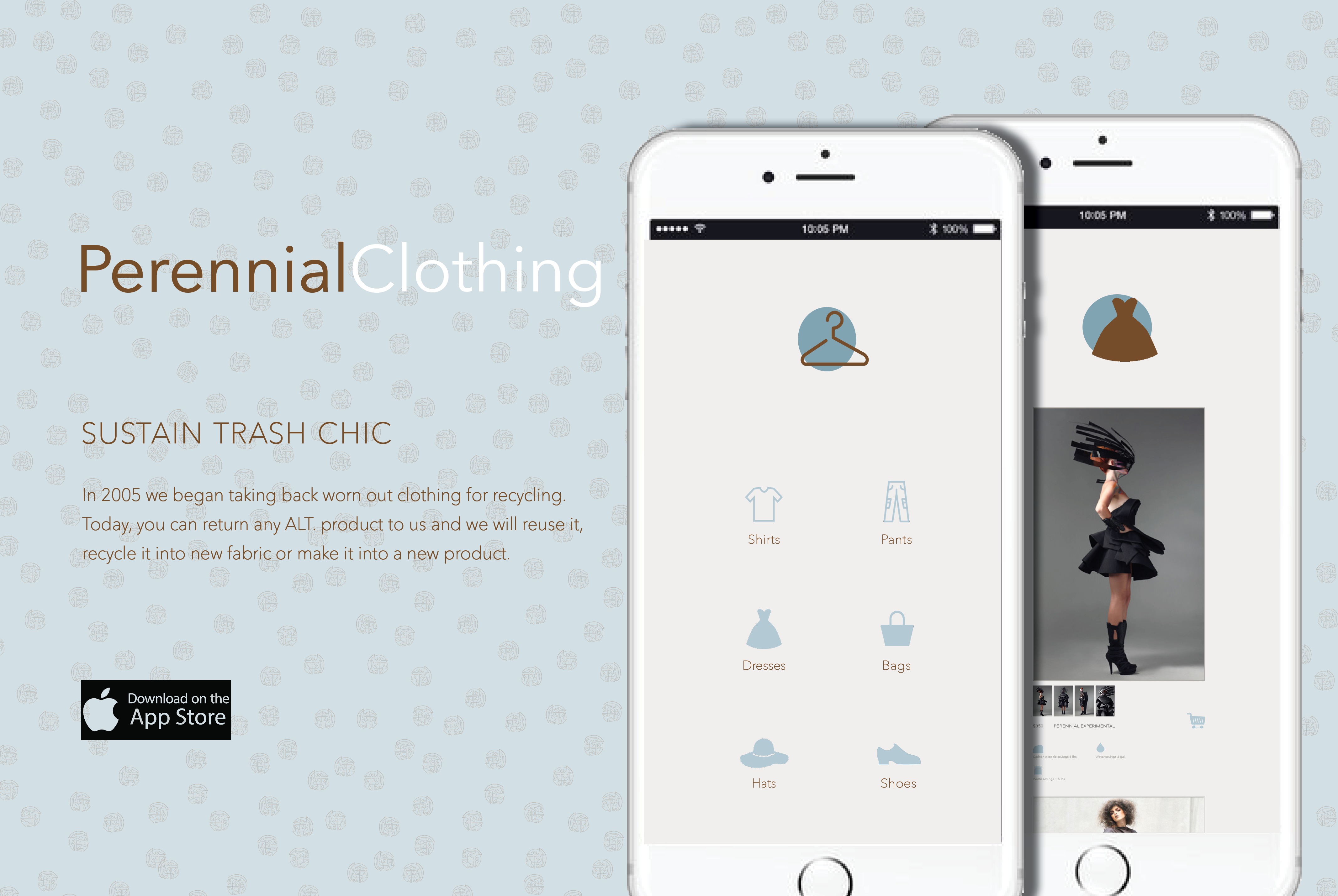
Using recycled polyester lessens our dependence on petroleum as a source of raw materials. We therefore, designed a mobile app with updated branding to promote new recycling streams for polyester clothing that is no longer wearable. It curbs discards, thereby prolonging landfill life and reducing toxic emissions from incinerators.
Identify opportunities to make ethical fashion more relevant and accessible.
Our first step was to understand the people we are connecting with. To better understand Perennial’s target audience and their motivations, we started off by asking about their thoughts on ethical fashion. Through our conversations and market research, we discovered three factors defining the audience’s mental model around fashion, recycling and sustainability.
We first uncovered that the majority of people have never heard of upcycling or ethical fashion. It is indeed a relatively new idea not for the fashion industry, but for consumers that buy garments on a regular basis.
As much as people wonder about the material, look is still the key deciding factor in making a purchase. To them, a fashionable look helps them “dress to impress” and represents who they are. However, they are uncertain about whether recycled polyester can live up to their expectations.
During our research, many people also raised concerns about the comfort, durability and functionality of such clothing. “Will the clothing made of recycled polyester be comfortable to wear?”. “How long will it last after washing?”. “Does the fabric provide enough warmth in the winter?”. These uncertainties and concerns, as we discovered, stem from a lack of consumer knowledge around how recycled polyester is made from plastic waste, what it looks like and how it’s used in clothing.
Another key barrier to engaging consumers in ethical fashion is that consumers don’t see their immediate contribution to the environment. They view climate change as an important issue but not an immediate threat. And it is hard for them to imagine the impact of their present action on a problem that exists in the long-term.
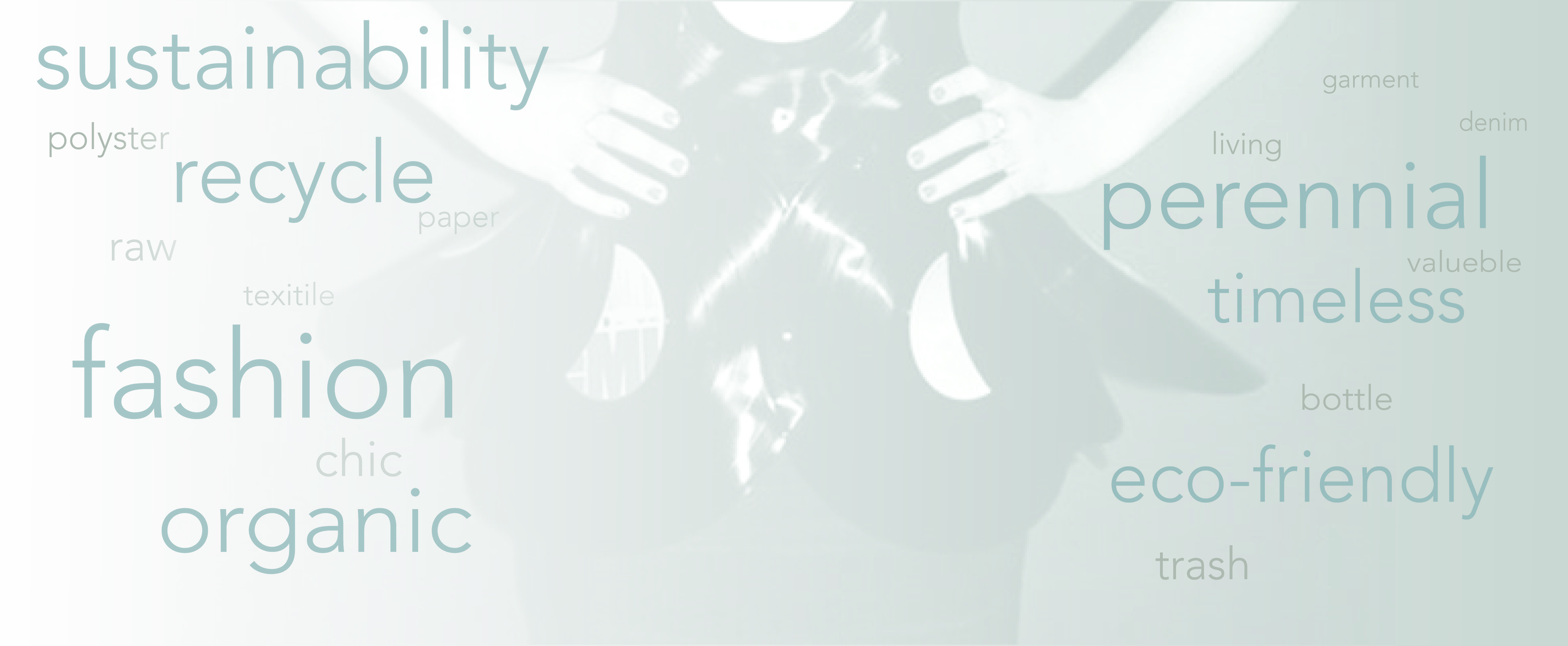
Interpretation of the research: chic, timeless, and sustainable.
1. Change the perception
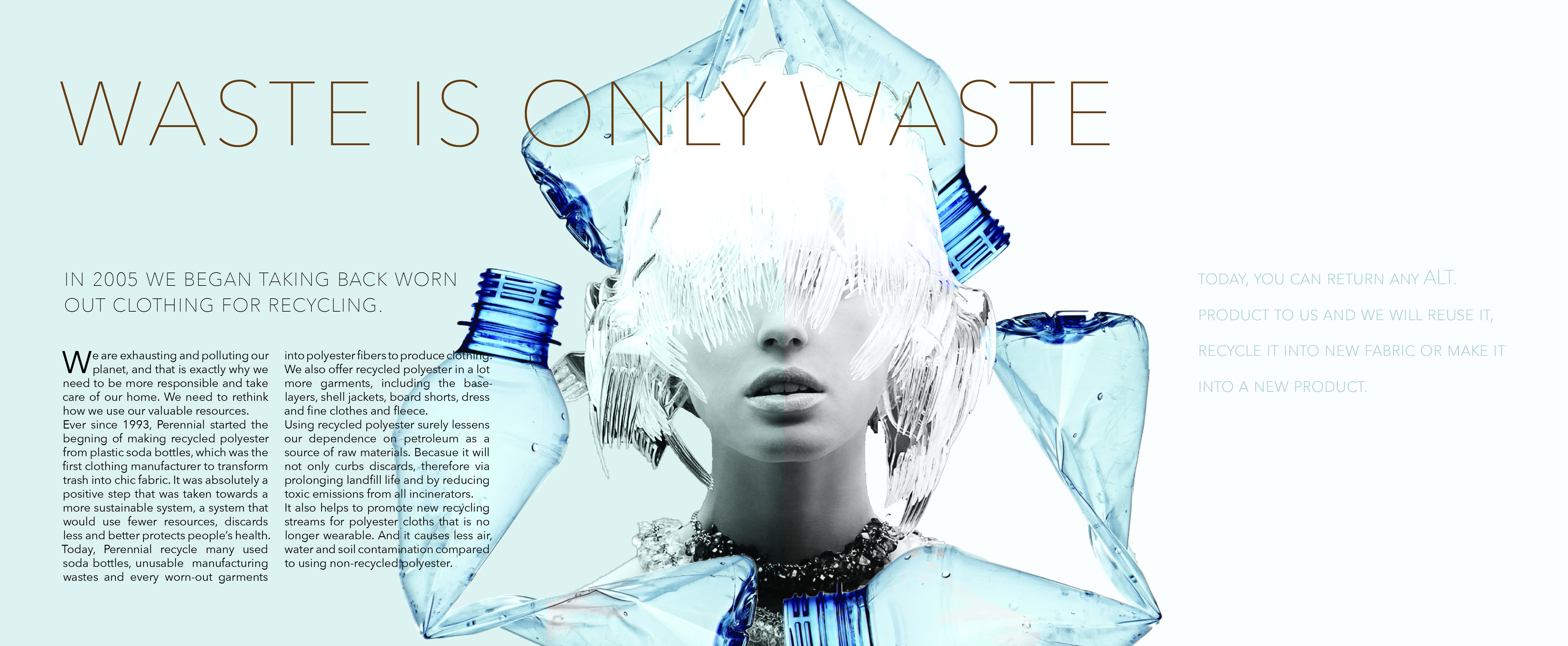
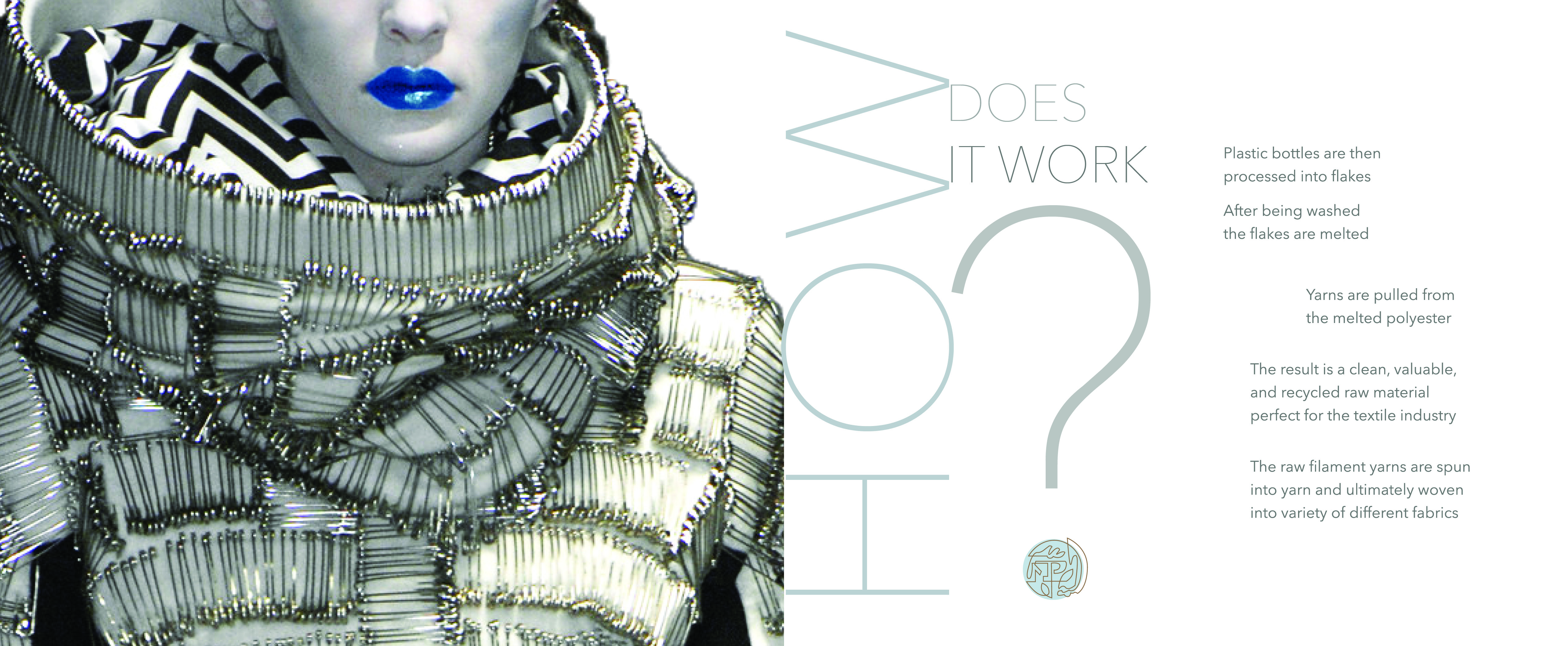

Our primary goal was to turn skepticism into belief through education. By illustrating the process of turning plastic bottles into yarn that’s ultimately woven into a variety of different fabrics, we reassure the consumers that fashion does not need to be compromised for embracing sustainability.
2. A symbol that units fashion and sustainability

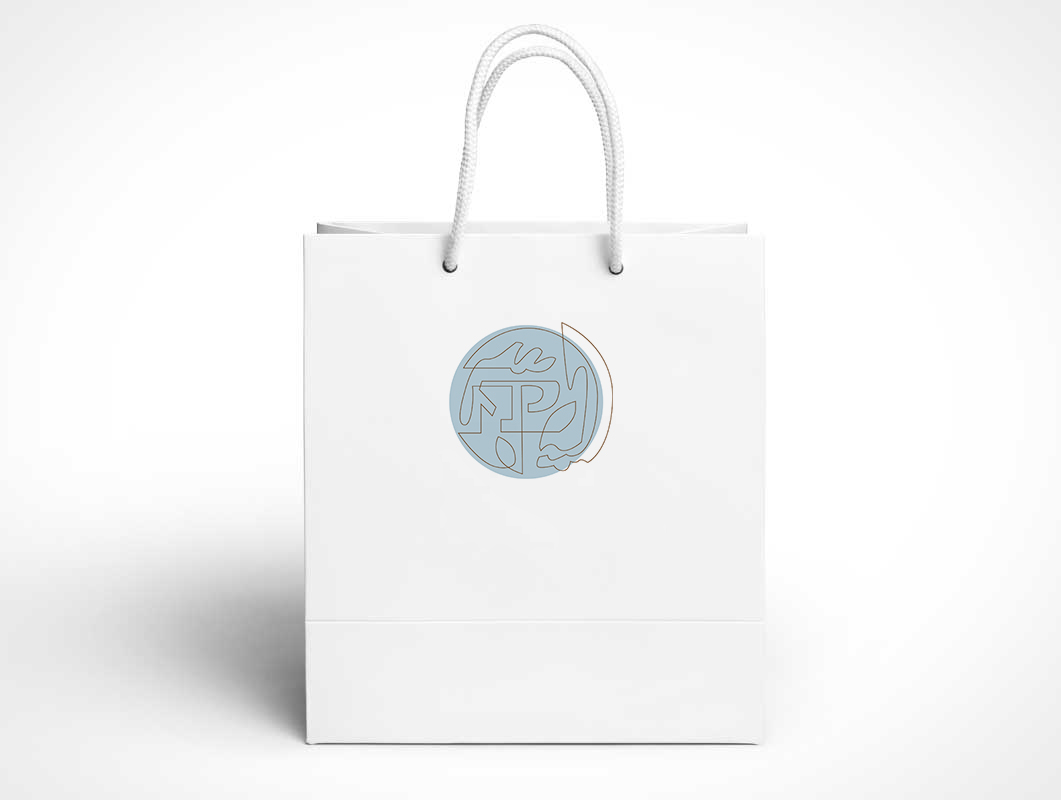
Timelessness is a common denominator between fashion and sustainability. It is not only a coveted adjective that every fashion designer seeks after, but also the cornerstone of sustainability. Translating timelessness into a visual identity, we combined thin, continuous lines with circular shapes and glossy texture to represent infinity. We used muted and earthy colors to evoke the feeling of being in nature, and a modern font to reference the fashion industry.
3. Create a system to show the immediate environmental impact

To bridge this gap between taking action and seeing results, we worked with Perennial Clothing to quantify and visualize the environmental impact for each purchase, in an effort to create behavioral change by acknowledging, validating and rewarding consumers’ action of upcycling.
Sponge
Email:
hi@sponge.design
Copyright © 2024 Sponge Design Inc.
 Sponge